
Hazard guide
Hurricanes and tropical storms: wind, rain and surge
Atlantic hurricane season runs from June 1 to November 30. Damage often continues after the storm: open roofs, long power outages and humidity spread mold.
Water, fire & smoke damageCall (844) 990-0433What it does to homes
- Wind damages roofs and windows, letting rain in.
- Storm surge and flooding bring contaminated water inside.
- Long outages leave homes hot, humid and undried.
What the alerts mean
Live radar and hurricanes & tropical storms alerts
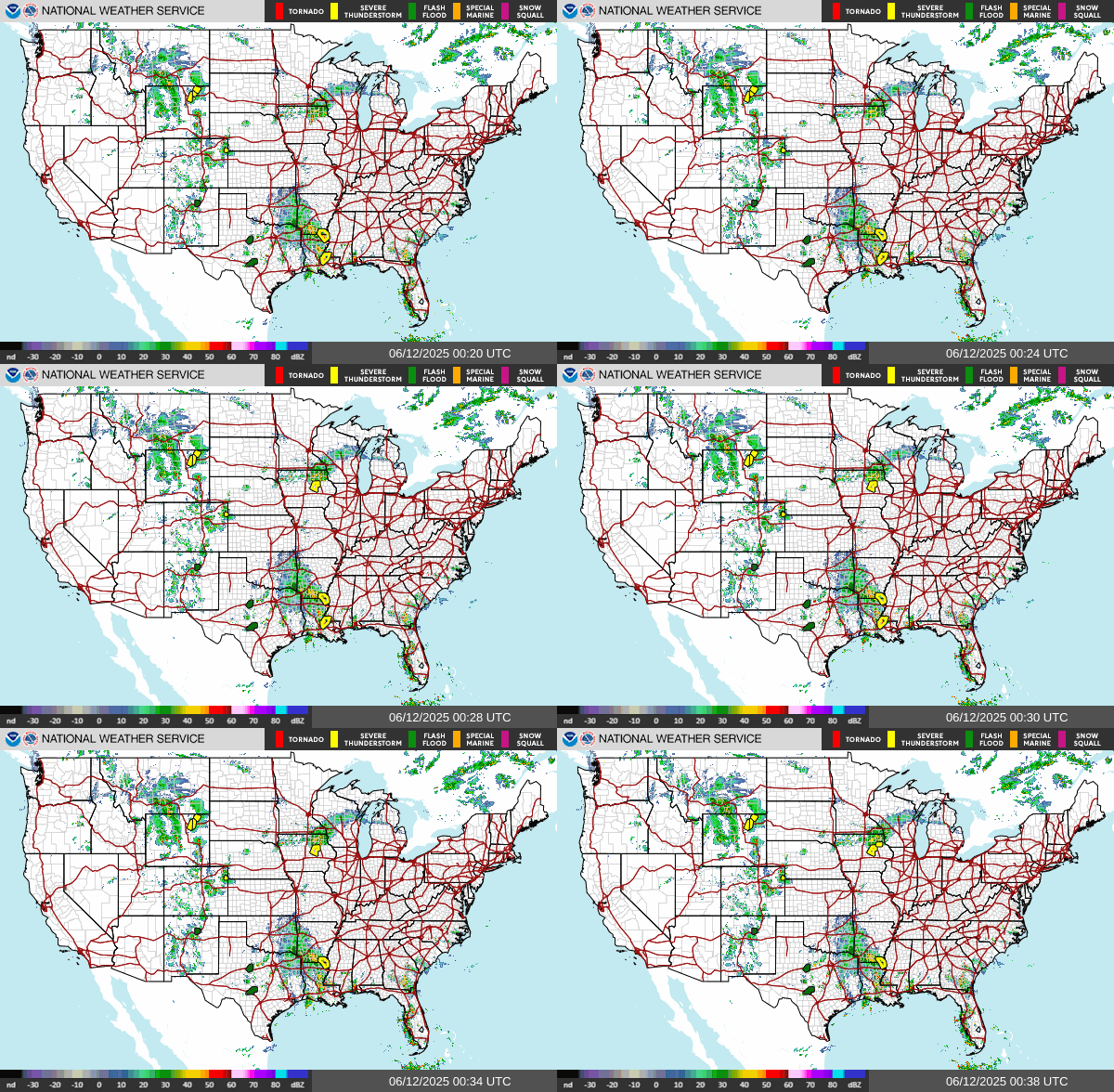
Alerts shown are filtered for this hazard. See every alert on the Live Radar.
Before, during and after
Before
- Know your evacuation zone and route.
- Pack a go-bag with medications and documents.
- Photograph your home and belongings.
- Secure outdoor items and clear gutters.
During
- Follow evacuation orders.
- Stay away from windows.
- Never use generators indoors.
After
- Return only when officials say it's safe.
- Photograph damage before cleanup.
- Tarp and board up.
- Remove water and dry; mold moves quickly in heat.
Problems it causes, and what to do
Questions people ask
When is hurricane season?
June 1 to November 30 in the Atlantic.
What is storm surge?
Ocean water pushed ashore by a storm, causing coastal flooding.
Should I evacuate?
Follow official orders for your zone.
Why does mold spread after hurricanes?
Heat, humidity and outages keep things wet.
How do I avoid scams?
Get written terms and check references, per FTC.
Can I use a generator?
Outdoors only, away from windows, per CPSC.
What should I photograph before?
Every room and major belongings.
How does the Radar help?
It shows hurricane, tropical storm and surge alerts and the live radar loop.
Sources
- HurricanesReady.gov (FEMA)
- Safety Guidelines: Reentering Your Flooded HomeCDC
- How to Avoid Scams After Weather EmergenciesU.S. FTC
- Portable GeneratorsU.S. Consumer Product Safety Commission
HomeProRadar pages are plain-language summaries of public guidance from the U.S. EPA, CDC, FEMA and Ready.gov, the U.S. Fire Administration, the National Weather Service, NFPA, the Red Cross and the FTC, with links to the originals, plus the checks a restoration company usually asks about. General information, not an inspection. If there is fire, a gas smell, electrical danger or anyone is hurt, get out and call 911.
By state