Hazard guide
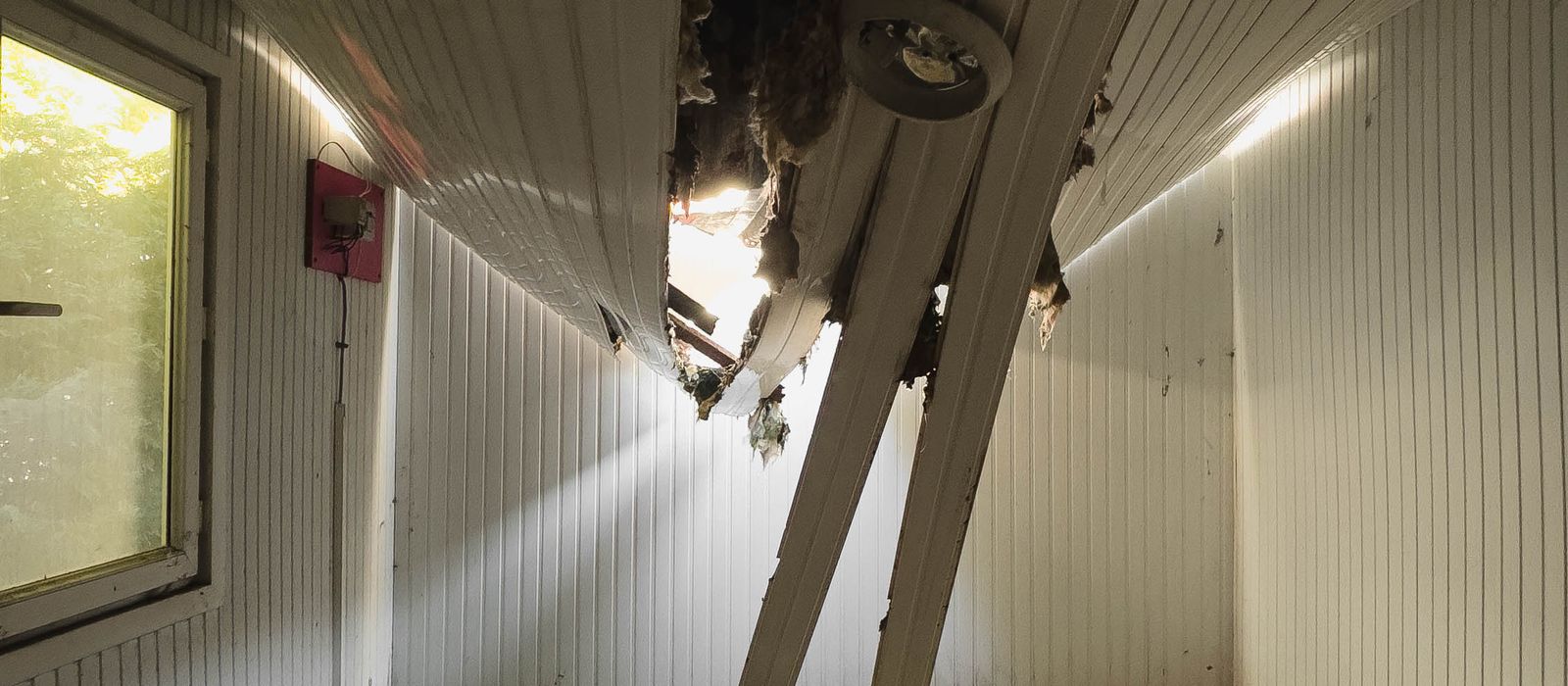
Severe thunderstorms and hail: roof and window damage
Ready.gov notes a thunderstorm is severe when it brings hail an inch or larger or winds of 58 mph or more. Those winds lift shingles, break windows and drop trees.
Water, fire & smoke damageCall (844) 990-0433What it does to homes
- Wind lifts shingles and flashing; hail cracks shingles, vents and skylights.
- Falling trees and branches puncture roofs.
- Wind-driven rain gets past window and door seals.
What the alerts mean
Live radar and severe thunderstorms & hail alerts
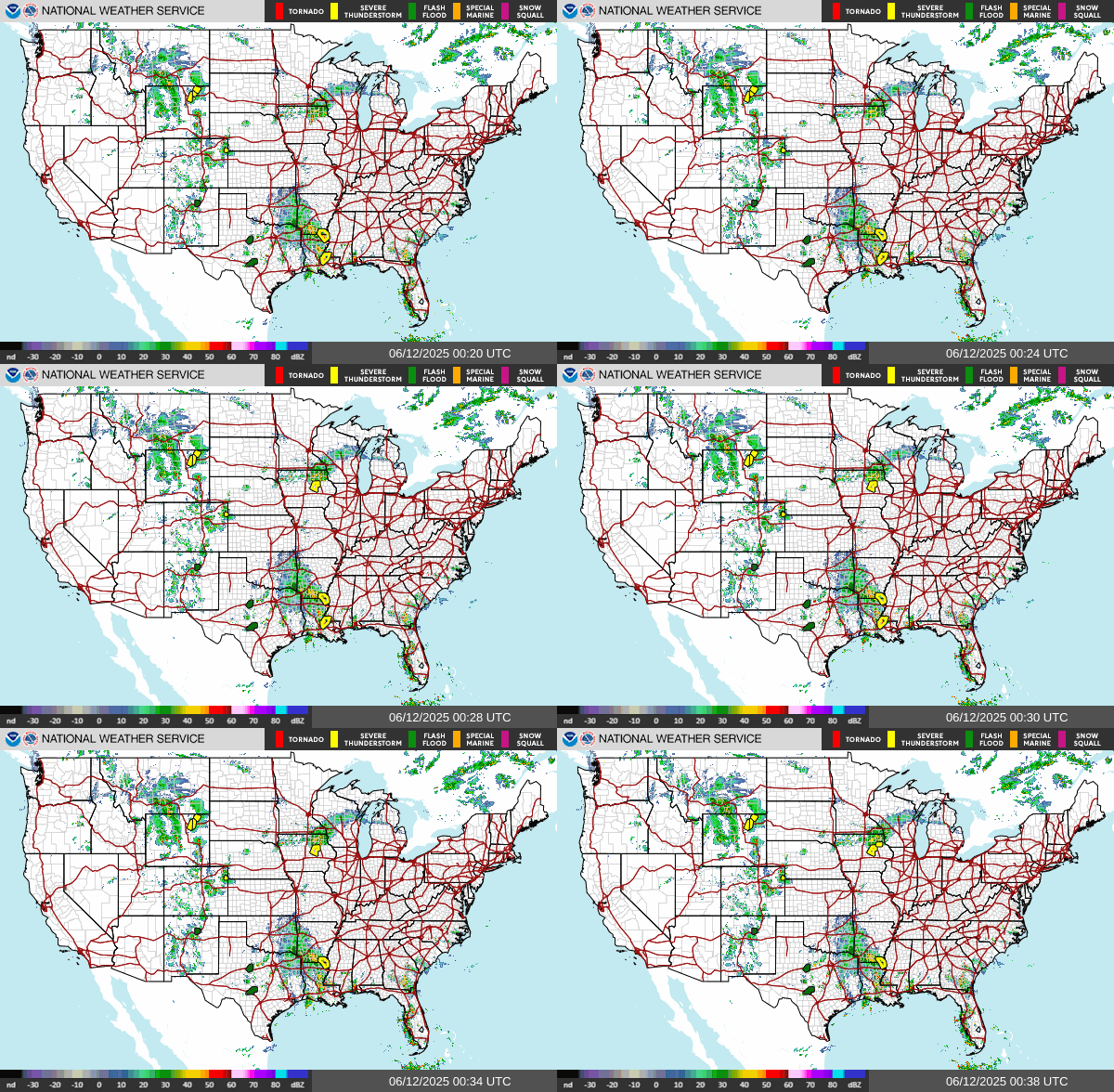
Alerts shown are filtered for this hazard. See every alert on the Live Radar.
Before, during and after
Before
- Trim dead branches near the house.
- Secure outdoor furniture.
- Clear gutters.
- Move valuables out of the attic and away from windows.
During
- Stay indoors, away from windows.
- Unplug electronics if lightning is close.
- Catch any leaks with buckets.
After
- Look for roof and window damage from the ground.
- Tarp openings when safe.
- Dry any water within 24 to 48 hours.
- Beware of storm chasers.
Problems it causes, and what to do
Questions people ask
What makes a storm severe?
Hail 1 inch or larger, or winds 58 mph or more, per NWS.
Can hail damage my roof without leaks right away?
Yes, damage may show up in later storms.
Should I go on the roof after a storm?
No. Check from the ground and call a pro.
What's a roof tarp for?
Temporary protection until repairs.
How do I avoid storm chasers?
Get written terms and references, per FTC.
Watch vs warning?
A watch means storms are possible; a warning means one is happening or imminent.
What about power outages?
Have flashlights, and use generators only outdoors.
How does the Radar help?
It shows the live radar loop and severe thunderstorm alerts.
Sources
- Severe WeatherReady.gov (FEMA)
- How to Avoid Scams After Weather EmergenciesU.S. FTC
HomeProRadar pages are plain-language summaries of public guidance from the U.S. EPA, CDC, FEMA and Ready.gov, the U.S. Fire Administration, the National Weather Service, NFPA, the Red Cross and the FTC, with links to the originals, plus the checks a restoration company usually asks about. General information, not an inspection. If there is fire, a gas smell, electrical danger or anyone is hurt, get out and call 911.
By state