Hazard guide
Hard freeze and extreme cold: protect your pipes
A hard freeze is the most common cause of burst pipes. A few minutes of prep before the cold arrives, and knowing where your shutoff is, prevent most of the damage.
Water, fire & smoke damageCall (844) 990-0433What it does to homes
- Water expands as it freezes, building pressure in the pipe between the ice and a closed faucet.
- Pipes in unheated spaces and outside walls are most at risk; insulated interior pipes rarely freeze.
- Many pipes don't leak until the ice thaws and water pressure returns, often while people are at work or asleep.
What the alerts mean
Live radar and hard freeze & extreme cold alerts
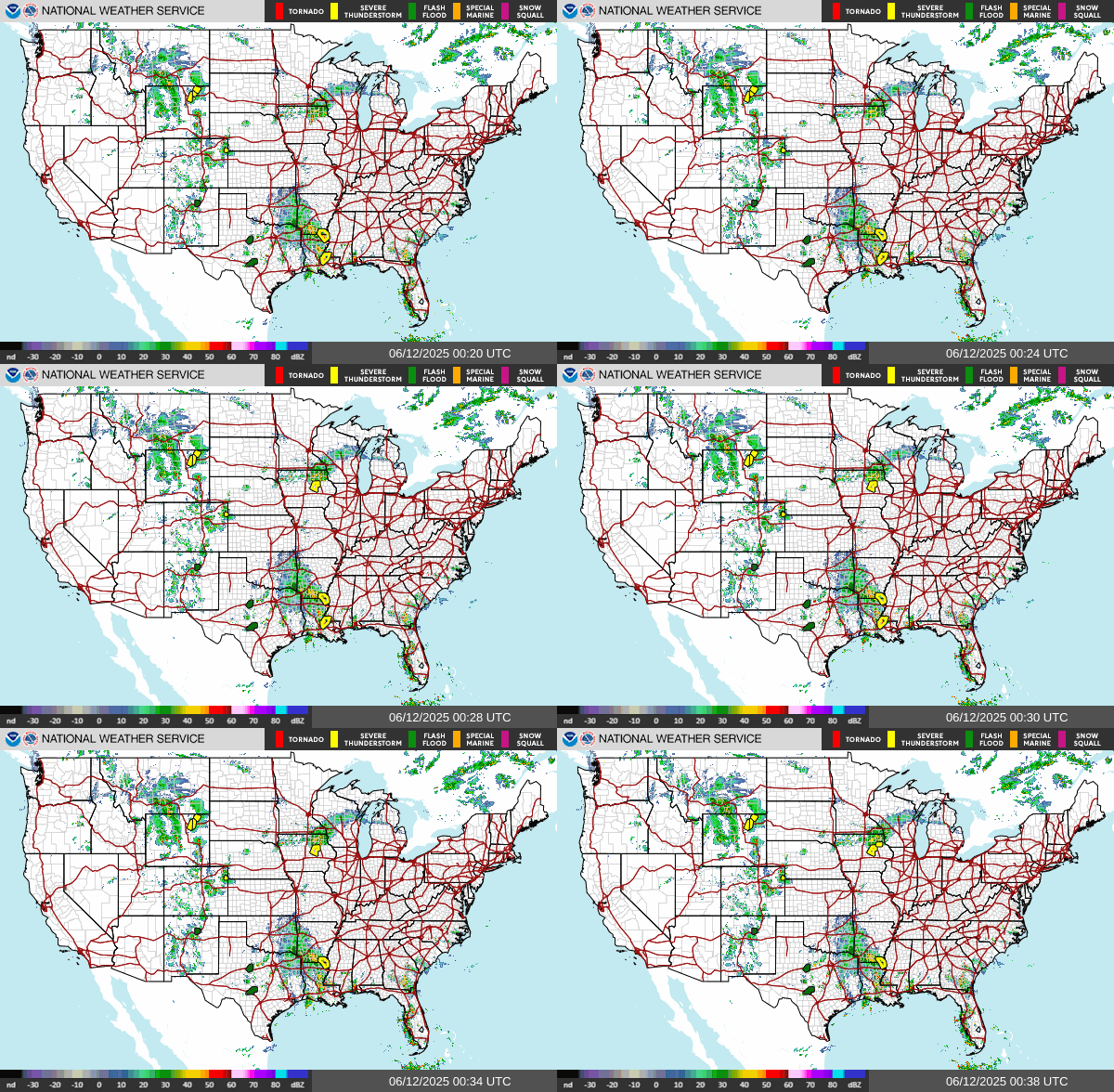
Alerts shown are filtered for this hazard. See every alert on the Live Radar.
Before, during and after
Before
- Open cabinet doors under sinks on outside walls.
- Let faucets served by exposed pipes drip.
- Disconnect garden hoses and close outdoor faucet shutoffs if you have them.
- Keep the heat at 55°F or higher, even when away.
- Find your main shutoff and make sure it turns.
During
- Check faucets in the morning; a trickle means a frozen line.
- Warm a frozen pipe gently with a hair dryer, never a flame.
- Keep garage doors closed if pipes run through the garage.
After
- Watch for leaks as temperatures rise and pipes thaw.
- Shut off the main if any pipe bursts.
- Start drying within 24 to 48 hours if water got out.
Problems it causes, and what to do
Questions people ask
At what temperature should I worry about pipes?
Pipes in unheated areas can freeze at 32°F. Pipes in insulated walls usually need a hard freeze, around 20°F or colder for several hours.
Should I drip my faucets?
The Red Cross recommends letting cold water drip from faucets served by exposed pipes.
What heat setting while I'm away?
Keep it at 55°F or higher and open cabinet doors on outside walls.
How do I know a pipe is frozen?
Little or no water from a faucet in freezing weather, or frost on an exposed pipe.
Can I thaw a pipe with a torch?
No. Use gentle heat like a hair dryer or heating pad, never an open flame.
What if a pipe bursts?
Shut off the main, cut power to wet rooms if safe, and call for water removal and drying.
Do outdoor faucets freeze?
Yes. Disconnect hoses and use the indoor shutoff for outdoor faucets if you have one.
How does the Radar help?
It shows freeze and extreme cold alerts by state, so you can prepare before temperatures drop.
Sources
- Frozen PipesAmerican Red Cross
- Winter WeatherReady.gov (FEMA)
HomeProRadar pages are plain-language summaries of public guidance from the U.S. EPA, CDC, FEMA and Ready.gov, the U.S. Fire Administration, the National Weather Service, NFPA, the Red Cross and the FTC, with links to the originals, plus the checks a restoration company usually asks about. General information, not an inspection. If there is fire, a gas smell, electrical danger or anyone is hurt, get out and call 911.
By state
States where hard freeze & extreme cold is a main risk
- Alaska
- Arkansas
- Colorado
- Connecticut
- Delaware
- Washington, D.C.
- Georgia
- Idaho
- Illinois
- Indiana
- Iowa
- Kansas
- Kentucky
- Maine
- Maryland
- Massachusetts
- Michigan
- Minnesota
- Missouri
- Montana
- Nebraska
- Nevada
- New Hampshire
- New Jersey
- New Mexico
- New York
- North Carolina
- North Dakota
- Ohio
- Oklahoma
- Pennsylvania
- Rhode Island
- South Dakota
- Tennessee
- Texas
- Utah
- Vermont
- Virginia
- West Virginia
- Wisconsin
- Wyoming