
Hazard guide
Winter storms, snow and ice: roofs, power and pipes
Winter storms bring several kinds of water damage at once: ice dams at the roof edge, snowmelt into basements, and frozen pipes when the power goes out.
Water, fire & smoke damageCall (844) 990-0433What it does to homes
- Heat escaping into the attic melts roof snow that refreezes at the edge as an ice dam, backing water under shingles.
- Ice and heavy snow bring down power lines, so heat and sump pumps stop.
- Rapid snowmelt and rain on snow can flood basements and window wells.
What the alerts mean
Live radar and winter storms, snow & ice alerts
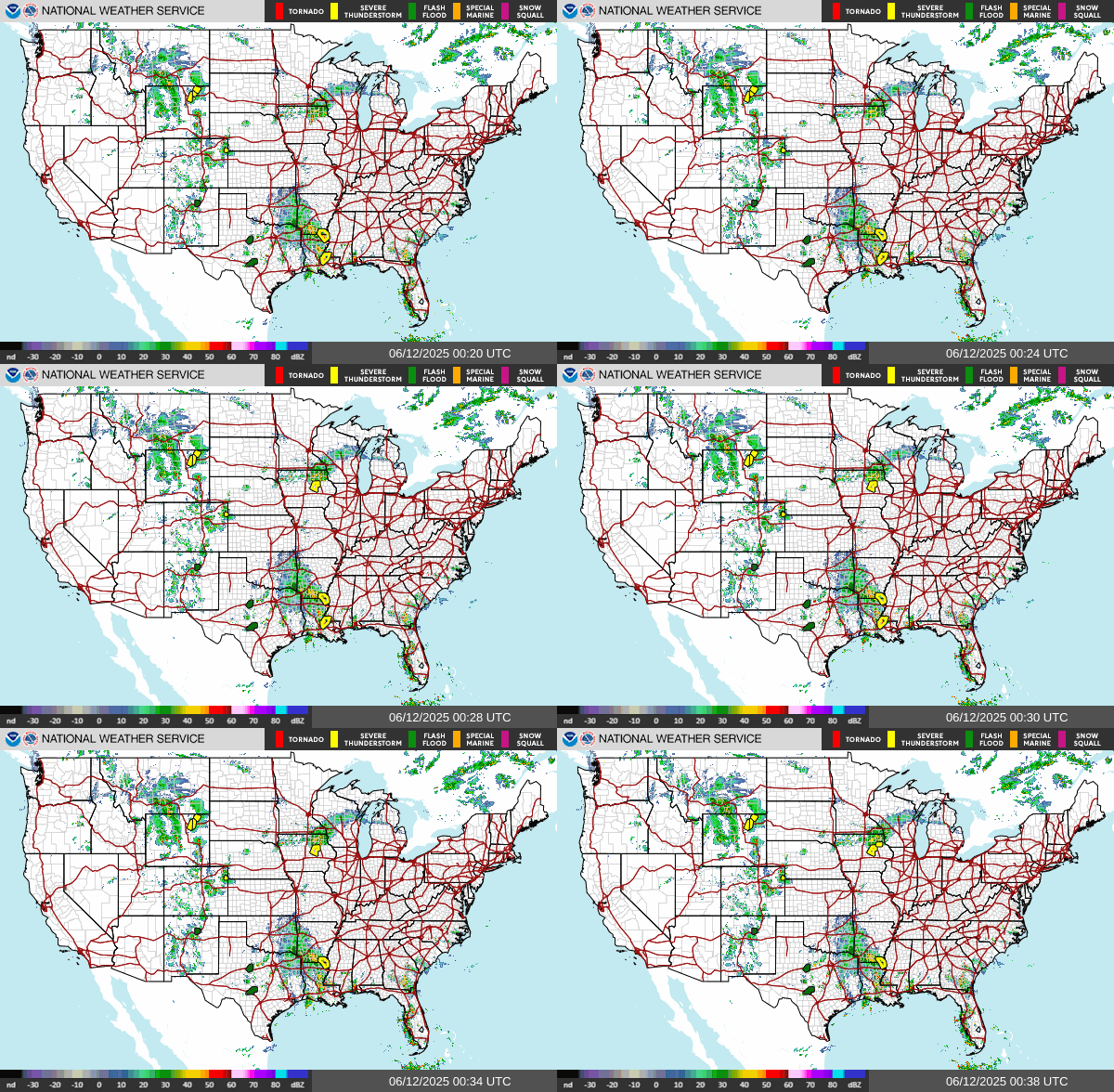
Alerts shown are filtered for this hazard. See every alert on the Live Radar.
Before, during and after
Before
- Clear gutters and downspouts.
- Have a roof rake for snow at the edge.
- Test the sump pump and battery backup.
- Know how you'll keep pipes warm if the power goes out.
During
- Keep heat on; drip faucets on exposed pipes.
- Never use generators, grills or camp stoves indoors.
- Watch ceilings along outside walls for stains.
After
- Rake snow off the roof edge from the ground.
- Check the attic for wet insulation.
- Check basements and window wells during the melt.
Problems it causes, and what to do
Questions people ask
What causes ice dams?
Attic heat melts roof snow, which refreezes at the cold edge and backs water up under shingles.
Is it safe to remove snow from my roof?
From the ground with a roof rake, yes. Don't climb onto an icy roof.
What if the power goes out in a winter storm?
Keep faucets dripping, open cabinets, and use generators only outdoors, far from windows.
Can snowmelt flood my basement?
Yes, especially with frozen ground or a clogged window well.
Do heat cables help?
They can keep a path open for meltwater. Ask a roofer.
Why is my ceiling stained after a storm?
Often an ice dam leak along an outside wall.
What is an ice storm warning?
An NWS alert for damaging ice accumulation, with outages likely.
How does the Radar help?
It shows winter storm, ice and blizzard alerts by state.
Sources
- Winter WeatherReady.gov (FEMA)
- Power OutagesReady.gov (FEMA)
- Portable GeneratorsU.S. Consumer Product Safety Commission
HomeProRadar pages are plain-language summaries of public guidance from the U.S. EPA, CDC, FEMA and Ready.gov, the U.S. Fire Administration, the National Weather Service, NFPA, the Red Cross and the FTC, with links to the originals, plus the checks a restoration company usually asks about. General information, not an inspection. If there is fire, a gas smell, electrical danger or anyone is hurt, get out and call 911.
By state