Hazard guide
Flooding and flash floods: before, during and after
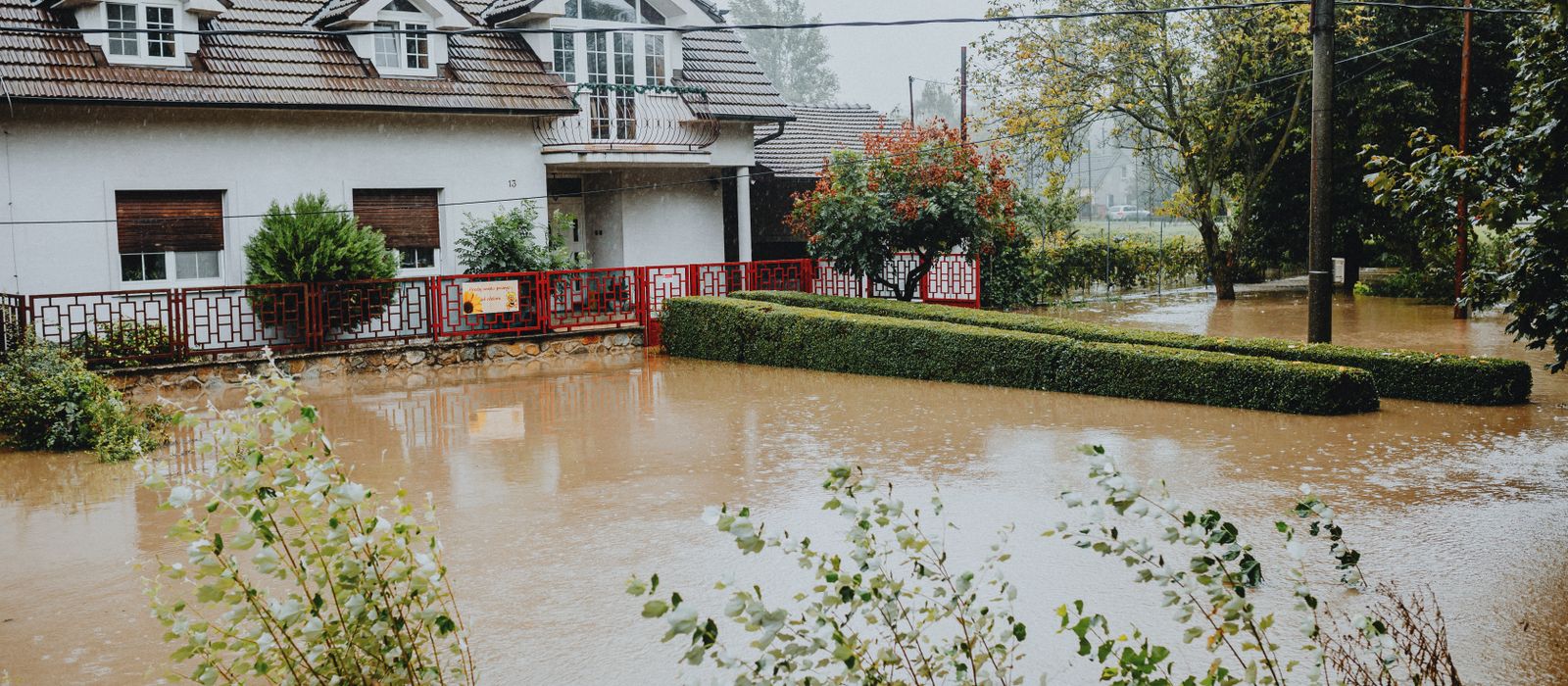
Floods are the most common natural disaster in the U.S., according to Ready.gov. Flash floods rise in minutes; river floods can take days. Both put contaminated water in homes.
Water, fire & smoke damageCall (844) 990-0433What it does to homes
- Floodwater enters through doors, basements, window wells and drains, carrying mud, sewage and chemicals.
- Drywall, insulation, carpet and furniture soaked by floodwater usually have to be removed.
- Mold can start within 24 to 48 hours in a flooded house, sooner in warm weather.
What the alerts mean
Live radar and flooding & flash floods alerts
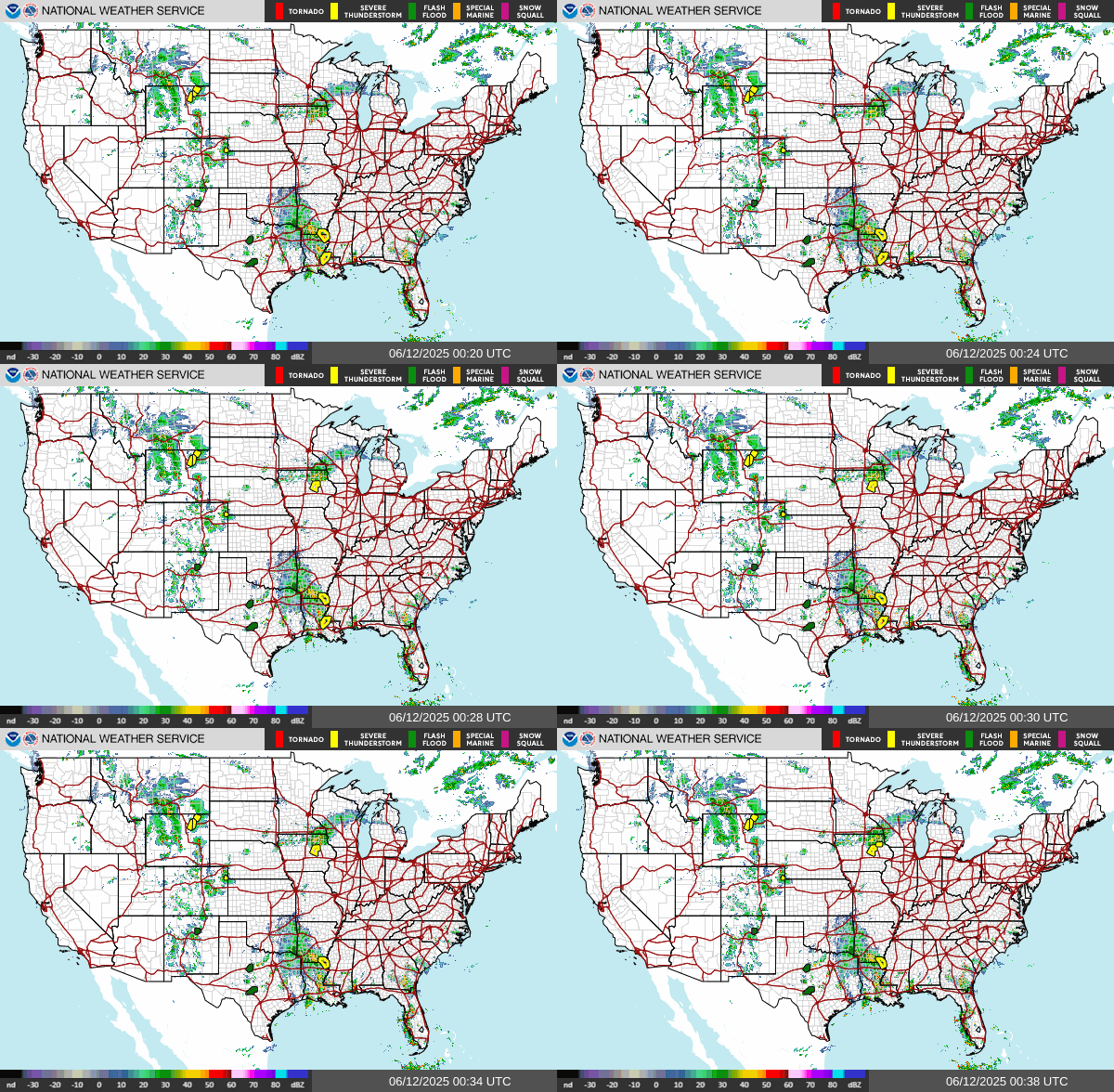
Alerts shown are filtered for this hazard. See every alert on the Live Radar.
Before, during and after
Before
- Check your flood zone on FEMA's Flood Map Service Center.
- Move valuables and electronics off basement floors.
- Test the sump pump and clear window wells and drains.
- Know your evacuation route.
During
- Follow official instructions.
- Never walk or drive through floodwater.
- Turn off power at the main only if you can do it safely and dry.
After
- Return only when officials say it's safe.
- Wear boots, gloves and an N95; photograph everything.
- Remove water and soaked materials, then dry within 24 to 48 hours.
Problems it causes, and what to do
Questions people ask
Watch or warning: what's the difference?
A watch means flooding is possible. A warning means it's happening or about to.
How deep is dangerous?
The National Weather Service says a few inches of moving water can knock you down and a foot can carry away a car.
Is floodwater dirty?
Yes. The CDC treats it as contaminated.
What do I throw out?
Porous items soaked by floodwater: carpet, pad, mattresses, drywall and insulation in most cases.
How do I find my flood zone?
FEMA's Flood Map Service Center, by address.
Can I go back in right away?
Only when officials say it's safe and gas, power and structure are checked.
How soon should drying start?
Within 24 to 48 hours where possible, per EPA.
How does the Radar help?
It shows flood and flash flood alerts by state and the live NWS radar loop.
Sources
- FloodsReady.gov (FEMA)
- Turn Around Don't DrownNational Weather Service
- Safety Guidelines: Reentering Your Flooded HomeCDC
- Flood Map Service CenterFEMA
HomeProRadar pages are plain-language summaries of public guidance from the U.S. EPA, CDC, FEMA and Ready.gov, the U.S. Fire Administration, the National Weather Service, NFPA, the Red Cross and the FTC, with links to the originals, plus the checks a restoration company usually asks about. General information, not an inspection. If there is fire, a gas smell, electrical danger or anyone is hurt, get out and call 911.
By state
States where flooding & flash floods is a main risk
- Alabama
- Alaska
- Arizona
- Arkansas
- California
- Connecticut
- Delaware
- Washington, D.C.
- Florida
- Georgia
- Hawaii
- Idaho
- Illinois
- Indiana
- Iowa
- Kansas
- Kentucky
- Louisiana
- Maine
- Maryland
- Massachusetts
- Michigan
- Minnesota
- Mississippi
- Missouri
- Montana
- Nebraska
- Nevada
- New Hampshire
- New Jersey
- New Mexico
- New York
- North Carolina
- North Dakota
- Ohio
- Oklahoma
- Oregon
- Pennsylvania
- Rhode Island
- South Carolina
- South Dakota
- Tennessee
- Texas
- Utah
- Vermont
- Virginia
- Washington
- West Virginia
- Wisconsin