Storms & flooding
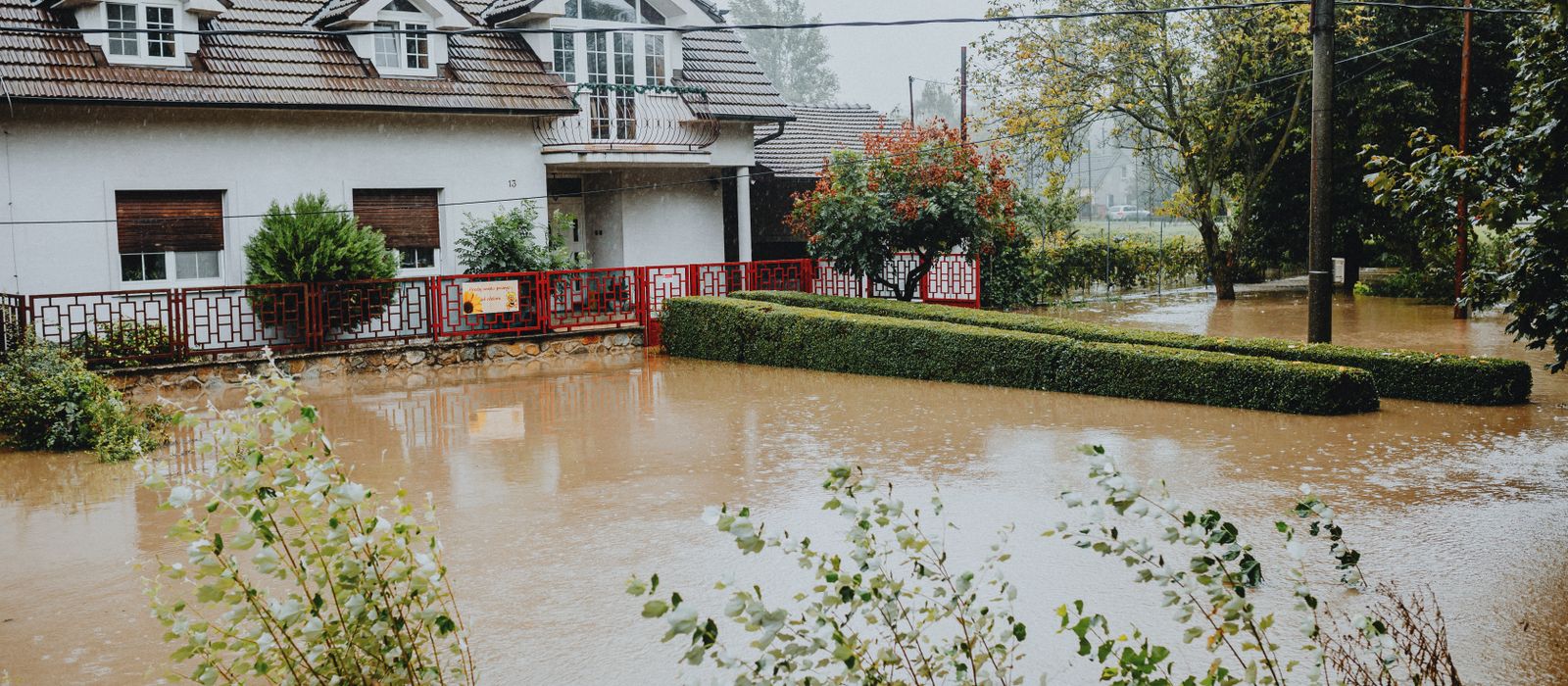
Flash flood water in your home?
Flash floods rise in minutes and carry mud, sewage and chemicals. Safety comes first; cleanup comes after the water goes down and the house is safe to enter.
Get help today
Water, fire & smoke damageCall (844) 990-0433What to check first
- Is there a flash flood warning on the Radar for your area?
- Is the water still rising?
- Can you get to higher ground safely?
- Has the power been turned off?
- Is there a gas smell or structural damage?
If you see this, it usually means…
| If you see | It usually means | Next step |
|---|---|---|
| Flash flood warning issued | Flooding is happening or about to | Move to higher ground now. |
| Water rising around the house | Floodwater entering | Get out or go up, call 911 if trapped. |
| Mud line on walls after | Contaminated water reached that height | Remove porous materials below it. |
| Gas smell or cracked walls | Structural or utility damage | Stay out, call the utility. |
What to do now
Do
- Follow official instructions and get to higher ground.
- Never walk or drive through floodwater.
- Return only when officials say it's safe.
- Wear boots, gloves and eye protection to go back in.
- Photograph the water line and all damage.
Avoid
- Don't enter if the power is on or you smell gas.
- Don't let children play in floodwater.
- Don't run generators indoors.
What a restoration company usually does
- Pump out water and remove mud.
- Remove soaked drywall, insulation, carpet and pad.
- Clean and disinfect surfaces.
- Dry the structure with commercial equipment and confirm readings.
What to say when you call
“Flash flood water got into my house. The water was about [height] on the walls. The power is [off/checked]. I need cleanup, removal of wet materials and drying.”
Questions people ask
What is a flash flood?
Flooding that starts within minutes to hours of heavy rain, often with rapidly rising water. The NWS issues flash flood warnings.
Is floodwater dangerous?
Yes. The CDC says it can contain sewage, chemicals and debris. Avoid contact and wash well.
When can I go back home?
When local officials say it's safe and the house has been checked for gas, electrical and structural damage.
What has to be thrown out?
Porous items soaked by floodwater: carpet, pad, mattresses, upholstered furniture, drywall and insulation in most cases.
How high should drywall be cut?
Usually above the water line, often 2 feet or more past it, so the cavity can dry and be cleaned.
Can wood furniture be cleaned and kept?
Solid wood often can be cleaned and dried slowly. Particleboard usually can't.
How do I clean hard surfaces?
Remove mud, wash with detergent and water, then disinfect, following EPA and CDC guidance.
What about mold?
Mold grows quickly after floods. Dry within 24 to 48 hours where possible and remove what can't be dried.
How do I check if my home is in a flood zone?
FEMA's Flood Map Service Center shows flood zones by address.
What does Turn Around Don't Drown mean?
It's the National Weather Service rule: never drive or walk through flooded roads. A few inches of moving water can knock you down.
Can the Radar warn me?
Yes. Flash flood watches and warnings show on our Live Radar by state.
Words you may hear
Sources
- Safety Guidelines: Reentering Your Flooded HomeCDC
- Safety Guidelines: FloodwaterCDC
- Turn Around Don't DrownNational Weather Service
- Homeowner's and Renter's Guide to Mold Cleanup after DisastersU.S. EPA
- Flood Map Service CenterFEMA
HomeProRadar pages are plain-language summaries of public guidance from the U.S. EPA, CDC, FEMA and Ready.gov, the U.S. Fire Administration, the National Weather Service, NFPA, the Red Cross and the FTC, with links to the originals, plus the checks a restoration company usually asks about. General information, not an inspection. If there is fire, a gas smell, electrical danger or anyone is hurt, get out and call 911.
Keep reading